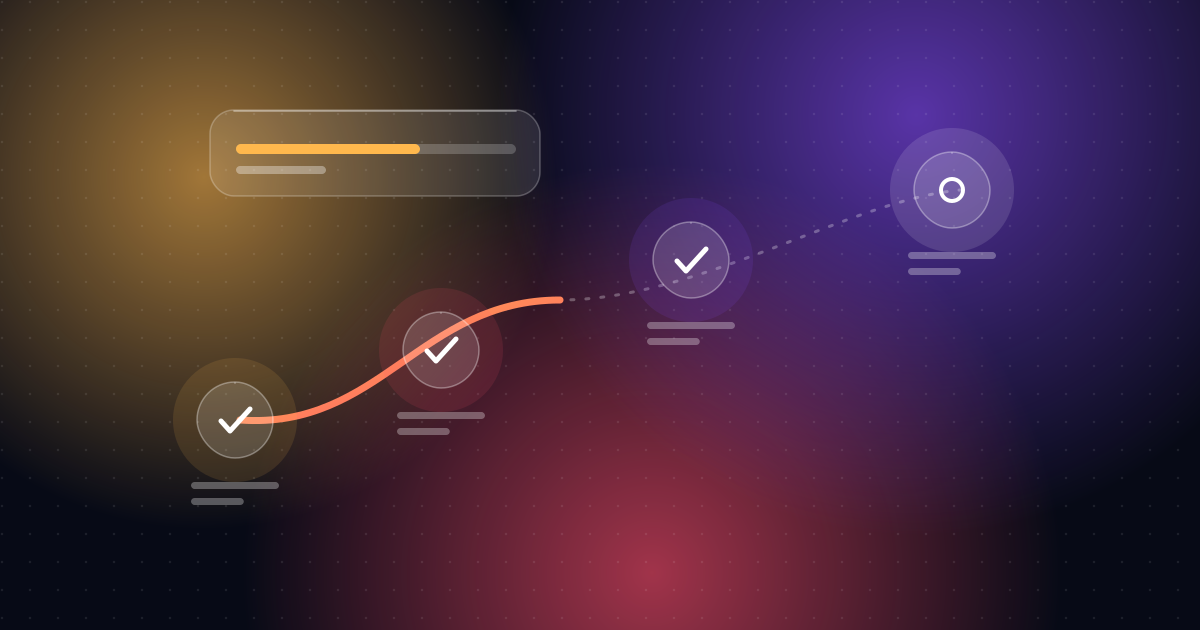
How long a SaaS explainer takes depends on length, style, how ready the script is and how fast feedback comes back. The stages are script, storyboard, style frames, animation, sound and revisions. Agree on a delivery date for each stage in writing before work starts.
There is no single number. A simple, short explainer with a finished script moves faster than a long one that needs a script and custom illustration. What you can control is how clear the plan is at the start.
The stages
- Script. Writing or tightening the story.
- Storyboard. Rough frames showing what appears when.
- Style frames. Final look for key scenes: colors, type, illustration.
- Animation. Building the movement and timing.
- Sound. Voice-over, music and effects.
- Revisions and delivery. Changes, then final files.
The full process is in explainer video production, step by step.
What changes the timeline
- Length. More seconds means more animation.
- Style. Custom illustration or 3D takes longer than clean 2D.
- Script readiness. A finished script saves the first stage.
- Feedback speed. Slow or scattered feedback is the most common delay.
- Number of stakeholders. More reviewers means more rounds.
How to plan around a launch
Work back from your launch date. Leave extra time for feedback, and ask for a dated schedule for each stage. See planning a video timeline for launch deadlines.
How to keep it moving
- Send the brief and assets in one go. See how to brief a video editor.
- Name one decision-maker.
- Send feedback as one list with timestamps.
- Approve each stage before the next one starts.
Ask for a written schedule
Any good editor will give you a dated plan with the quote. If yours doesn't, ask. You can also read how I plan projects on how I work.
Frequently asked questions
Can a SaaS explainer be rushed?
Sometimes, by keeping the scope small, having the script ready and giving fast feedback. Ask what can be adjusted and what the trade-offs are.
What is the biggest cause of delays?
Late or scattered feedback and changes to the script after animation has started.
Should I approve the script before animation begins?
Yes. Changing the script later means redoing animation, which costs time and money.
Do revisions add time?
Yes. Plan for the agreed rounds, and note that large changes after approval can extend the timeline.

Bhavesh Vaghela
Freelance video editor and motion designer in Rajkot, India. I make short-form videos, motion graphics, SaaS explainers, logo animations and AI video for clients worldwide.